This is a list of 5 essential vitamins that almost everyone should take for their gut health, especially people who are lactose or gluten intolerant or have IBS or Crohn’s disease. Unlike heart and brain problems, gut problems are extremely common. You probably don’t know someone with a congenital heart defect or a brain issue such as dementia, but the chances are you know someone with a gut issue such as IBS or Crohn’s disease, as these are very common. Gut issues can range from being mildly inconvenient to debilitating, and we’re here to help with the most minor or severe conditions.
Probiotics

Why should you supplement Probiotics?
There are a lot of different types of probiotics and many of them have been shown to help with issues such as diarrhea, constipation, Irritable Bowel Syndrome, and Crohn’s disease. They are widely available in grocery stores and online at affordable prices. According to an article by Harvard Health, several studies have shown that probiotic therapy can help people with IBS or Crohn’s Disease as well as people with diarrhea or constipation. It may not help everyone, but there is promising evidence that probiotics can treat many gut issues.
How should you supplement Probiotics?
Probiotics can be found in many foods and drinks such as yogurt, kefir, and kombucha. Probiotics have become very popular recently so you’ve probably seen foods labeled as containing probiotics on the shelves at your local grocery store. Many people can get by just by eating probiotic containing foods, but if you suffer from a gut issue such as chronic constipation, diarrhea, IBS, or Crohn’s disease, we recommend you take high-dose supplements. These doses should be taken in around 3 or 4 times the serving size every day for a week, and then 1 serving as maintenance indefinitely.
What are good brands for Probiotics?
We recommend the Vitamin Shoppe’s Ultimate 10+ Probiotics and Renew Life’s Ultimate Flora Probiotic. The Vitamin Shoppe‘s probiotics are very affordable and are a lower dose whereas Renew Life‘s probiotics are more expensive and are a higher dose. We recommend one serving per day of the Vitamin Shoppe’s probiotics for people who are just looking to keep their gut healthy and don’t have any serious issue. Renew Life’s probiotics are more heavy duty and are recommended for people who have issues such as chronic diarrhea, constipation, IBS, or Crohn’s Disease. We recommended taking 4 servings of Renew Life‘s probiotic per day for 1 week and then 1 serving per day as maintenance indefinitely.
Peppermint Oil
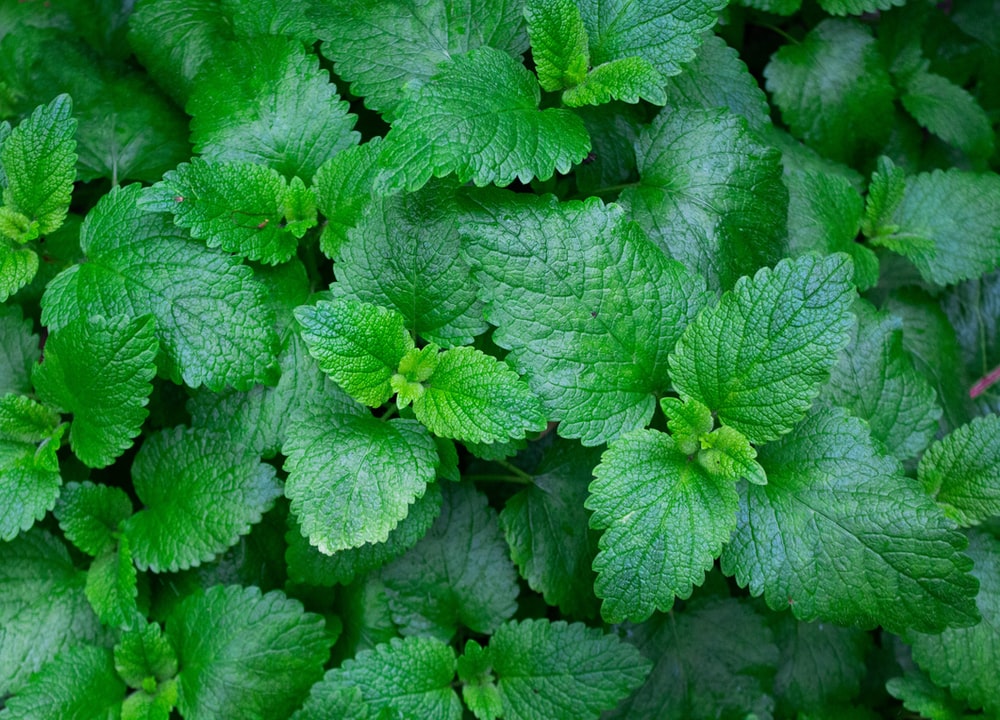
Why should you supplement Peppermint Oil?
Peppermint oil is an extract from peppermint that can be used for many things. It is used for flavoring in foods and drinks and also to scent products such as soap and shampoo. Another thing it does is soothe the stomach and help with symptoms of IBS. According to the results of 21 studies published by the National Library of Medicine, peppermint oil helps significantly with stomach pain caused by irritable bowel syndrome. Patients given peppermint oil felt far less stomach pain due to IBS than patients given a placebo.
How should you supplement Peppermint Oil?
Unlike many vitamins and supplements, peppermint oil will not be found in a significant amount in foods or drinks. It is used in foods and drinks, but not to a degree that one could consume them and receive significant benefits of peppermint oil. We recommend anyone suffering from stomach pain, and specifically stomach pain caused by IBS, take peppermint oil supplements in the form of a softgel.
What are good brands for Peppermint Oil?
We recommend Nature’s Way’s Pepogest Peppermint Oil. It is a softgel that can be taken for short term relief of stomach pain or as a daily supplement to mitigate stomach pain. It is fairly affordable and high quality and it doesn’t have a bad aftertaste so it will not be difficult to take consistently. It is all natural and it provides a good dose for most people. If you feel that the daily serving isn’t enough we recommend taking a higher dose. Don’t take too much, however, because peppermint oil can be dangerous in very high doses.
Licorice (DGL)

Why should you supplement licorice?
You are probably familiar with licorice, whether you’ve had black licorice or something else flavored with licorice root, but you probably didn’t know licorice root can help with stomach problems. Licorice root, specifically deglycyrrhizinated licorice, can lessen symptoms of functional dyspepsia including heartburn, indigestion, and trouble sleeping. In a study published by the National Institute of Health, researchers found that DGL supplements significantly decreased symptoms of heartburn and indigestion in 50 patients with stomach problems. Because of the strong data in favor of DGL’s efficacy, many doctors prescribe DGL for patients with heartburn.
How should you supplement licorice?
Licorice is found in many foods and drinks, but you won’t be able to get proper supplementation from foods and drinks because you need to take DGL, a specific kind of licorice. There are many options available for DGL supplements and we recommend taking a daily tablet.
What are good brands for licorice?
Many brands provide DGL, but our recommendations are the Vitamin Shoppe’s DGL Licorice Tablets and the DGL Chewable Tablets from Nature’s Way. Both are high quality and affordable. If you don’t like swallowing tablets, we recommend the chewable tablets from Nature’s Way.
Ginger

Why should you supplement ginger?
Ginger has been used for thousands of years in Asia, and later the western world, for treating indigestion, nausea, and vomiting before there was ever any research to back it up. More recently, ginger has been shown to ameliorate nausea and also increase the ability to have a bowel movement, which can also help with nausea and vomiting. Ginger is also good for pregnant women suffering from morning sickness and people undergoing chemotherapy. In multiple studies published by the National Institute of Health, ginger was shown to help with nausea and vomiting compared to a placebo.
How should you supplement ginger?
There are so many products out there with ginger in them as a flavoring as well as many dishes that have ginger in them. Ginger root is widely available in most grocery stores and also available in the form of a supplement. Ginger can be taken for instant relief and can also be taken daily, which is especially recommended for pregnant women and people undergoing chemotherapy. It is always good to have ginger on hand, whether you have ginger root, ginger ale, or a supplement. For people who regularly have nausea we recommend a supplement.
What are good brands for ginger?
There are a lot of brands that sell ginger supplements, as well as a lot of foods and drinks that contain ginger supplements. You might be familiar with our recommendations, as we recommend the Vitamin Shoppe’s Ginger Root Capsules and Nature’s Way’s Vegan Ginger Root Capsules. These will provide the best relief as instant relief or as a daily supplement. For a candy option, which may be slightly less effective, we recommend Prince of Peace’s Ginger Chews. These will still help, but they do not contain as much ginger as the supplements do. The supplements are a better option for those with more serious nausea problems.
Prebiotics

Why should you supplement prebiotics?
Prebiotics, like probiotics, are used to support digestive health and help with issues like IBS and general indigestion. Many people take prebiotics with probiotics for added benefits, which we recommend. In a study published by the National Institute of Health, researchers found that all 8 classes of prebiotics support digestive health. “digestive health” may sound vague, but it can mean lessened stomach pain, gas, and other symptoms of IBS. It is also important to have a healthy gut even if you don’t suffer from IBS or a similar condition because it helps your body absorb nutrients properly.
How should you supplement prebiotics?
Prebiotics are found in many foods, but a lot of the foods they are found in are not foods that the average person regularly eats. These include chicory root, dandelion greens, and cocoa. We recommend taking a supplement to get a daily dose of prebiotics. If you are suffering from IBS or a similar condition, we recommend taking a higher, but still safe, dose for around 2 weeks and then switching to the recommended dose for daily maintenance. Check with your doctor or another health expert to see if a high dose is something that is okay for you.
What are good brands for prebiotics?
Though there aren’t quite as many prebiotic supplements on the market as probiotics, there are still a lot of good prebiotic supplements. We recommend the Vitamin Shoppe’s Nutra Flora Probiotic and Ora Organic’s Vegan Probiotics. Both are high quality, and the Vitamin Shoppe probiotic is quite affordable. The Ora Organic probiotic is more expensive but it is vegan, which may be important to you.
 Organic Health Wave